Electric vehicles are becoming a popular choice for homeowners who want lower fuel costs, reduced emissions, and a more convenient driving experience. While public charging stations are available throughout Florida, many EV owners prefer the convenience of charging their vehicles at home.
A properly installed home charging station allows you to recharge your vehicle overnight, avoid waiting at public stations, and enjoy a more reliable charging experience. However, installing an EV charger is not as simple as plugging in a device. Your home’s electrical system, charger type, wiring, and safety requirements all need to be considered.
Choosing professional EV charger installation in Northwest Florida ensures your charging system is installed safely and works efficiently with your home’s electrical capacity. At Gadsden Electrical LLC, we help homeowners and businesses install reliable EV charging solutions designed around their specific needs.
Whether you are purchasing your first electric vehicle or upgrading your current setup, understanding the installation process, costs, and requirements can help you make the right decision.
Why More Florida Homeowners Are Installing EV Chargers at Home
Electric vehicles offer many advantages, but having a convenient charging solution is one of the biggest benefits for homeowners. Instead of relying only on public charging stations, a home EV charger allows you to start each day with a fully charged vehicle.
Some key benefits of installing an EV charger at home include:
- Charging your vehicle overnight while you sleep
- Saving time compared to visiting public charging stations
- Reducing dependence on gasoline
- Increasing convenience for daily commuting
- Adding modern functionality to your property
For many homeowners, a home EV charger installation is becoming as important as other electrical upgrades, especially as more electric vehicles enter the market.
What Is an EV Charger and How Does Home Charging Work?
An EV charger transfers electricity from your home’s electrical system to your vehicle’s battery. The charging speed depends on the charger type, electrical connection, and your vehicle’s charging capabilities.
Understanding Different EV Charger Levels
Level 1 EV Chargers
Level 1 chargers use a standard household outlet and typically come with many electric vehicles. They are convenient because they do not require special installation, but charging speeds are much slower.
This option may work for drivers who travel short distances and do not need frequent charging.
Level 2 EV Chargers
A Level 2 charger is the most common choice for residential properties. It uses a 240-volt electrical connection, similar to what many homes use for appliances such as electric dryers.
A professional Level 2 EV charger installation provides significantly faster charging compared to a standard outlet, making it ideal for daily EV drivers.
Level 3 DC Fast Chargers
Level 3 chargers are mainly used in commercial locations and public charging networks. They provide extremely fast charging but are generally not practical for most residential properties because of their electrical requirements and installation costs.
How Much Does EV Charger Installation Cost in Northwest Florida?
The cost of installing an EV charger can vary depending on several factors. Every home has a different electrical setup, so a professional assessment is usually needed before determining the final installation requirements.
Some factors that influence EV charger installation cost include:
Charger Type and Equipment
Different chargers have different prices depending on charging speed, features, and brand. Smart chargers with Wi-Fi connectivity and energy monitoring features may cost more than basic models.
Distance From the Electrical Panel
If your garage or parking area is far from your electrical panel, additional wiring and labor may be required.
Electrical System Capacity
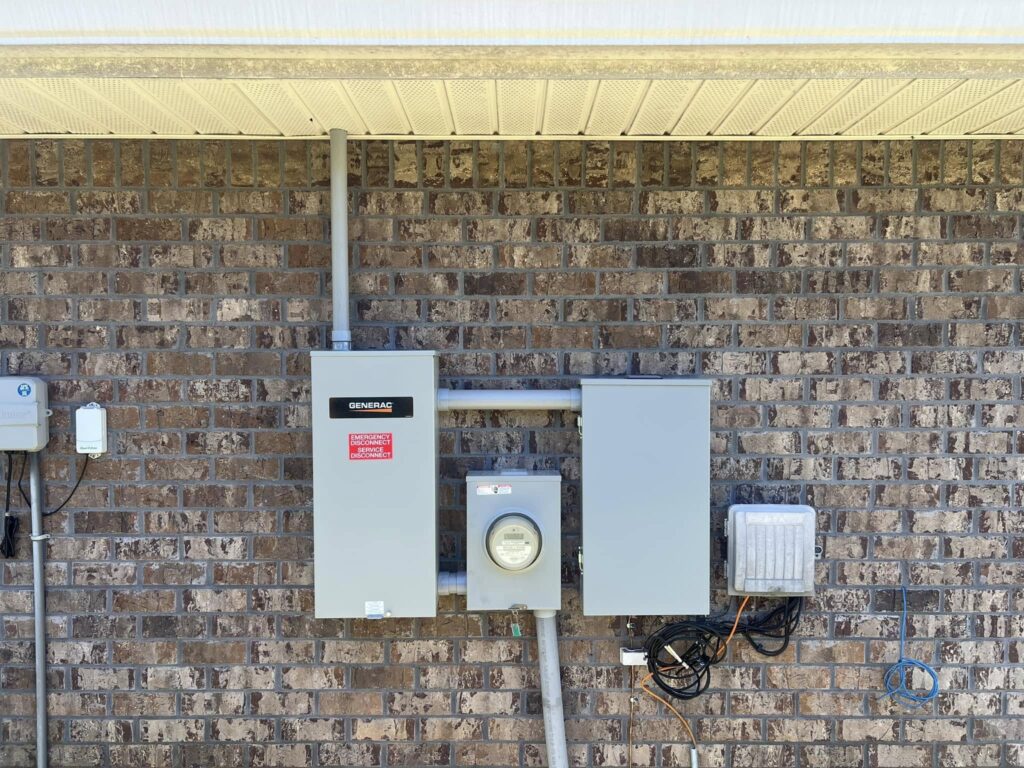
Some homes may need electrical upgrades before installing an EV charger. Older homes with limited electrical capacity may require an electrical panel upgrade for an EV charger to safely handle the additional load.
Permits and Electrical Requirements
Professional installation may involve permits, inspections, and ensuring the system meets local electrical codes.
Because every property is different, homeowners should schedule an evaluation with a qualified electrician before deciding on an installation plan.
What Are the Requirements for Installing an EV Charger at Home?
Before installing an EV charging station, homeowners should consider several important requirements.
Electrical Requirements
A safe EV charger installation requires:
- Proper voltage supply
- Dedicated electrical circuit
- Correct wiring size
- Proper circuit breaker protection
- Safe grounding
A professional electrician will evaluate your existing electrical system and determine whether it can support the charger.
Location Requirements
Many homeowners install chargers in garages, driveways, or covered outdoor areas. The installation location should provide:
- Easy access for your vehicle
- Protection from weather conditions
- Safe cable placement
- Proper clearance around equipment
Permits and Electrical Codes
Electrical work must follow safety standards and local regulations. Working with a licensed electrician helps ensure your EV charging system is installed correctly and meets required codes.
Can Any Electrician Install an EV Charger?
While many electricians handle general electrical work, EV chargers require specific knowledge of electrical loads, manufacturer requirements, and charging equipment.
A qualified EV charger electrician understands how to:
- Calculate electrical capacity
- Select proper wiring and breakers
- Install dedicated circuits
- Ensure safe operation
- Complete code-compliant installations
Gadsden Electrical LLC provides professional electrical services throughout Northwest Florida, including Santa Rosa County, Escambia County, and Okaloosa County. Their team helps homeowners install safe and dependable EV charging solutions while protecting their existing electrical systems.
Choosing the Right EV Charger for Your Home
Selecting the right charger depends on your vehicle, driving habits, and electrical system.
Popular EV Charger Options
Homeowners commonly choose:
- Level 2 universal EV chargers
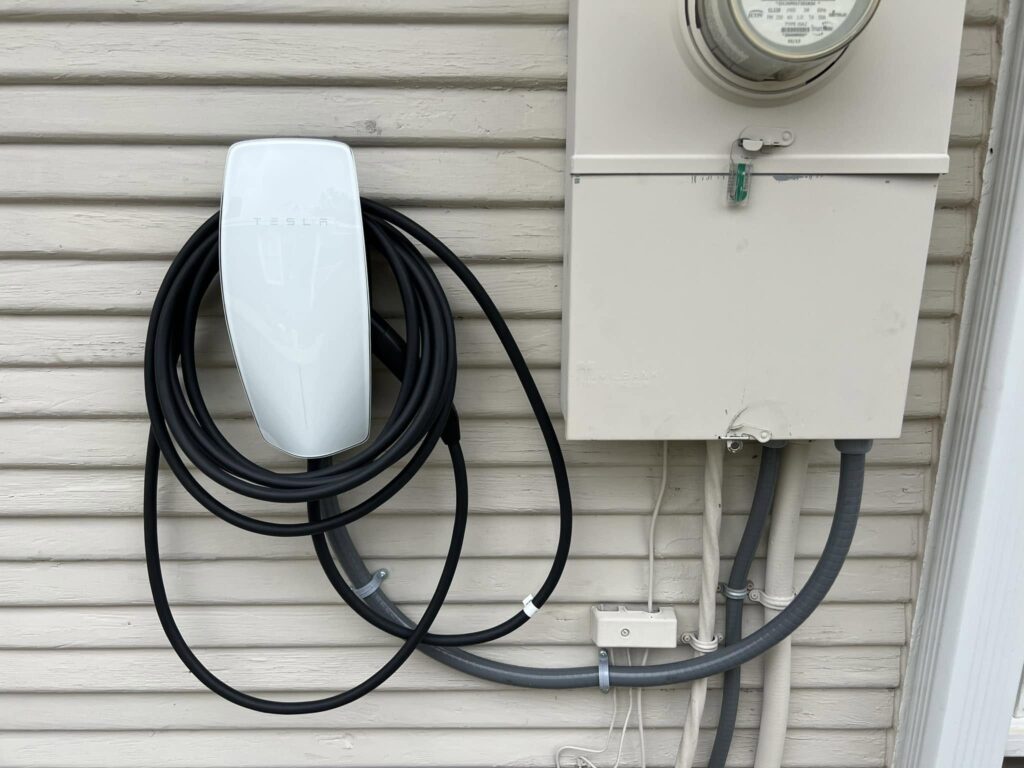
- Tesla Wall Connector systems
- Smart EV chargers
- Wi-Fi-enabled charging stations
A professional electrician can help determine which option works best for your home.
Smart EV Charger Features
Modern chargers may include:
- Smartphone controls
- Charging schedules
- Energy monitoring
- Usage tracking
- Remote notifications
These features can help homeowners manage charging more efficiently.
Benefits of Professional EV Charger Installation
Installing an EV charger professionally provides several long-term benefits.
Improved Safety
Incorrect wiring or improper installation can create electrical hazards. Professional installation helps prevent overloads and ensures your system operates safely.
Faster Charging Performance
A properly installed charger can deliver the charging speed your vehicle and electrical system are designed to support.
Better Reliability
Professional installation reduces the chance of equipment problems and helps extend the lifespan of your charging system.
Code Compliance
A licensed electrician ensures your installation follows electrical safety standards and local requirements.
Common Questions About EV Charger Installation in Northwest Florida
How long does EV charger installation take?
The installation timeline depends on your home’s electrical system and the complexity of the project. Simple installations may be completed within a few hours, while projects requiring electrical upgrades may take longer.
Can I install an EV charger myself?
Some plug-in chargers may appear simple to install, but dedicated circuits and hardwired charging stations require professional electrical work to ensure safety.
Is a Level 2 charger worth installing at home?
For most EV owners, a Level 2 charger provides better convenience because it charges vehicles much faster than a standard outlet.
Do I need a panel upgrade for an EV charger?
Not every home requires an upgrade. An electrician can inspect your electrical system and determine whether your current panel can safely support the charger.
Why Choose Gadsden Electrical LLC for EV Charger Installation?
Choosing the right electrical contractor is essential when adding a new charging system to your home.
Gadsden Electrical LLC helps Northwest Florida homeowners with professional electrical solutions backed by experience, safety, and quality workmanship.
Benefits include:
- Professional electrical expertise
- Safe and reliable installations
- Residential and commercial electrical experience
- Knowledge of local electrical requirements
- Quality workmanship and customer-focused service
Whether you need a new EV charging station, electrical panel upgrade, or other electrical improvements, Gadsden Electrical LLC can help prepare your property for the future of transportation.
Schedule Your EV Charger Installation With Gadsden Electrical LLC Today
Ready to make your home EV-ready? Professional EV charger installation in Northwest Florida can provide the safe, reliable, and convenient charging solution your electric vehicle needs.
Contact Gadsden Electrical LLC today to schedule an electrical consultation and learn more about installing a home EV charging station.
Gadsden Electrical LLC
- Address: 4104 Cooley Dr, Pace, FL 32571
- Phone: (850) 529-2501
- Email: gadsdenelectrical@gmail.com
Serving homeowners and businesses throughout:
- Santa Rosa County
- Escambia County
- Okaloosa County
Upgrade your home with a professionally installed EV charger and enjoy the convenience of charging your vehicle right at home.